Tags
Posted by
-
year PGDM program
-
Workshop
-
Top PGDM Colleges in India
-
Top Business Schools in India
-
Summer Research Internship Program (SRIP)
-
Summer Internship Program
-
Student Exchange Programs in PGDM
-
Student Exchange Eligibility
-
soft skills for placement
-
SLRI
-
skills for campus placement
-
SEE Learning
-
Regular PGDM
-
QS Rankings
-
Python for Data Analysis
-
Project
-
professional courses after graduation
-
Pre-Placement Offer (PPO)
-
Power BI vs Tableau
-
Postgraduate Diploma in Management
-
placements
-
placement tips for students
-
Placement
-
phd
-
PGDM with Dual Specialization
-
PGDM vs Executive MBA
-
PGDM syllabus
-
PGDM specializations
-
PGDM Specialization
-
PGDM placements
-
PGDM in Data Analytics
-
PGDM in Banking
-
PGDM full form
-
PGDM For Working Professionals
-
PGDM eligibility
-
PGDM Courses
-
PGDM course duration
-
PGDM course details
-
PGDM course
-
PGDM Career Switch
-
PGDM Career Scope
-
PGDM Career Opportunities
-
pgdm bda
-
PGDM Banking and Finance
-
PGDM After Graduation
-
PGDM admission
-
PGDM
-
Opportunities
-
Online PGDM vs Regular PGDM
-
Online PGDM
-
nova sbe
-
MDP
-
MBA vs PGDM
-
MBA in Data Analytics
-
Marketing
-
Management Courses
-
Management Colleges in India
-
JAIIB certification
-
Investment Banking Career
-
International Student Exchange
-
Insurance Jobs in India
-
Insurance Career Growth
-
IDA
-
HCM
-
Goa Institute of Management
-
Global Exposure in PGDM
-
GiveGoa
-
GIM Alumni
-
GIM
-
FRM certification
-
fpm non residential
-
Fpm
-
Finance Management Course
-
Finance Jobs
-
Finance Career Options
-
Executive MBA
-
Executive fpm
-
Event
-
est courses after graduation in India
-
Dual Specialization PGDM
-
Dual Degree Programmes
-
Dual Country
-
Dr. Hanish Rajpal
-
Doctoral
-
Data Science Career
-
Data Science
-
Data Analytics PGDM
-
Data Analytics Careers
-
Data Analytics
-
CSSA
-
CPPG
-
courses after graduation for high salary
-
courses after graduation
-
Corporate Finance Jobs
-
Convocation
-
Conference
-
Co-LIFE
-
Clubs
-
CHSDM
-
Career Switch After Graduation
-
Career Opportunities in Banking and Finance
-
Career in Data Analytics
-
Career After PGDM
-
campus placement preparation
-
Campus Placement
-
Business Analytics vs Data Science
-
Business Analytics Tools
-
Business Analytics
-
Big Data Analytics
-
BIFS
-
BFSI Career Opportunities
-
Best PGDM Colleges India
-
Best PGDM Colleges in India
-
Banking vs Insurance Salary
-
Banking vs Insurance Career
-
Banking Jobs in India
-
Banking courses after graduation
-
Banking certification courses
-
Banking Career Growth
-
Banking and finance courses
-
Banking and Finance Course
-
Alumni Success Stories
-
Alumni Reunions
-
Alumni Relations
-
Alumni Office
-
Alumni meet
-
Alumni Impact
-
Alumni Events
-
Alumni Engagement
-
Alumni
-
AIM2Flourish
-
Admissions
-
achievement
-
6. Career Growth After PGDM
-
2 year PGDM program
-
1 year vs 2 year PGDM
-
#pgdm
-
#mba
Date
GIM Hosts Academic Leadership Program for Delhi University Principals
Share this blog


“Our role is not just that of an administrator, but as that of a leader and an institutional builder.”
Prof. Kanika Ahuja
Principal, Lady Shri Ram College for Women
Principals are the leaders in the educational sphere and are expected to be academic visionaries, financial managers, policy implementers, and culture-builders all in one, whilst constantly leading higher education into the future. To expose them to modern techniques of management and give them a setting that encourages peer learning, Goa Institute of Management (GIM) conducted a five-day Academic Leadership Program (ALP) on 29 June 2026 for over 40 principals from Delhi University colleges, along with senior officers from the University of Delhi.
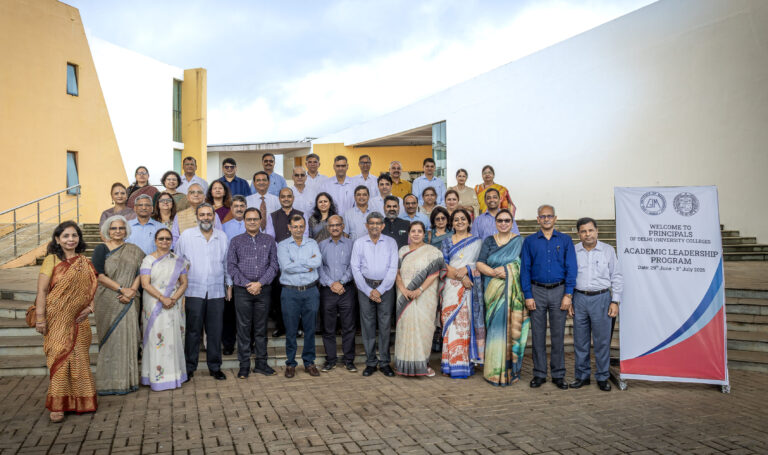
These principals lead Institutions that many students and parents across India aspire to join, including Shri Ram College of Commerce, Hindu College, Lady Shri Ram College for Women, Hans Raj College, Ramjas College, Shaheed Sukhdev College of Business Studies, Sri Venkateswara College, Daulat Ram college and Lady Irwin College. The program provided a platform for them to discuss institutional challenges, explore emerging priorities in higher education, and exchange perspectives on academic leadership.
Addressing the Challenges Facing Higher Education
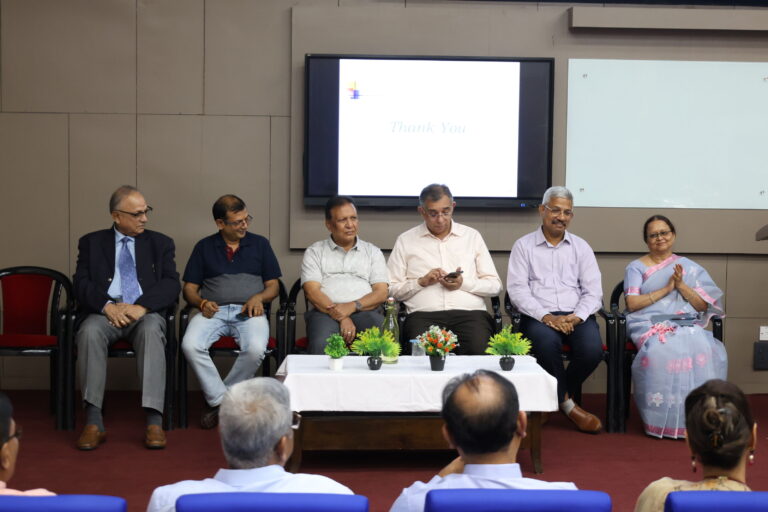
A key feature of the program was the opportunity for principals to articulate the issues they encounter in leading their institutions and exchange perspectives with peers facing similar challenges. With higher education undergoing significant changes in student expectations, technology, employability, and institutional governance, the discussions focused on a central question: how can academic leaders strengthen their institutions while responding to the needs of a new generation of learners? Other priority areas included implementing the National Education Policy (NEP) 2020, advancing sustainability, and exploring how AI can be used responsibly in teaching and institutional administration.
Digital Transformation and AI in Higher Education
The program addressed the role of digital initiatives in expanding access to learning and supporting institutional transformation. Drawing on the major issues on how technology can be integrated into institutional practices, speakers brought perspectives on the development of India's digital education ecosystem, especially with ICT-enabled education initiatives, such as SWAYAM, SWAYAMPRABHA, the National Digital Library, Virtual Labs, and e-Yantra.
“The program was very effective, and it has transformed our thinking. We have got to know that principals are not administrators, but they also have to govern.”
Prof. Ravi Toteja
Principal, Acharya Narendra Dev College
Regarding responsible use of AI, it was discussed how institutions can move beyond the question of whether to adopt AI and develop clear frameworks for its appropriate use. They were given an example of the present Gen AI Policy frameworks in GIM, which provided guidelines for the responsible, ethical, and effective use of generative AI across academic and non-academic contexts. As AI continues to influence education and work, institutional policies can help establish expectations for responsible use while supporting innovation.
Leadership Beyond Institutional Constraints & Modern Management Tools
Directors and deans from prominent educational institutions, such as IIT Goa, Goa University, and GIM, spoke about their challenges in governance and in managing HEIs, drawing on their personal experiences. The central message was that institutional constraints need not define the limits of institutional ambition. Principals were encouraged to build connections with fellow academic leaders, explore new possibilities by drawing on their collective expertise, build partnerships, and keep educational quality at the center of their decisions.
Additionally, modern tools of management, such as team dynamics, collaborative leadership, self-awareness, and personal leadership styles, were discussed by management experts. The sessions complemented the program's broader emphasis on open dialogue and collaborative problem-solving.
Creating Space for Dialogue and Collective Learning
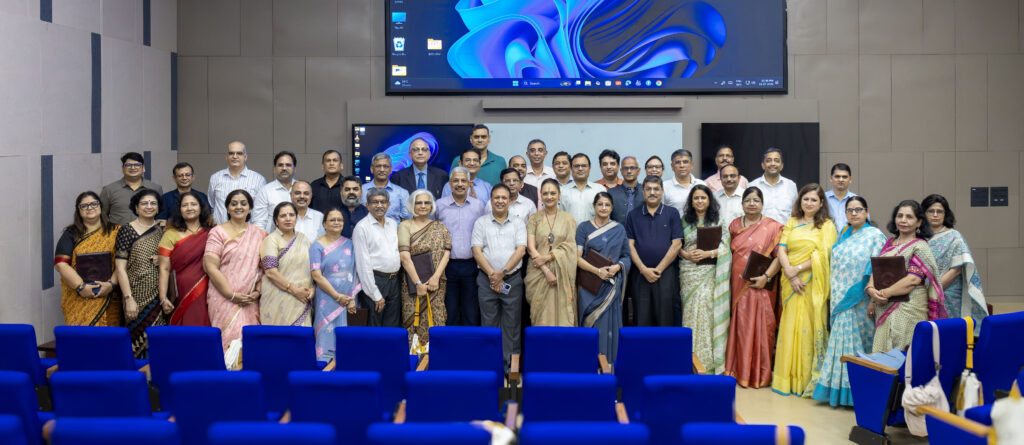
The program gave participants the opportunity to raise institutional queries and concerns directly with the University of Delhi's Registrar and Deputy Registrar. These interactions enabled principals to engage with administrative leadership on matters relevant to the functioning and development of their institutions.
“The program was very useful for the administrators and faculty alike. Therefore, I think Delhi University is going to have a long-term collaboration with GIM for training of our staff at various times.”
Prof. Manoj Sinha
Principal, Aryabhatta College