Tags
Posted by
-
year PGDM program
-
Workshop
-
Top PGDM Colleges in India
-
Top Business Schools in India
-
Summer Research Internship Program (SRIP)
-
Summer Internship Program
-
Student Exchange Programs in PGDM
-
Student Exchange Eligibility
-
soft skills for placement
-
SLRI
-
skills for campus placement
-
SEE Learning
-
Regular PGDM
-
QS Rankings
-
Python for Data Analysis
-
Project
-
professional courses after graduation
-
Pre-Placement Offer (PPO)
-
Power BI vs Tableau
-
Postgraduate Diploma in Management
-
placements
-
placement tips for students
-
Placement
-
phd
-
PGDM with Dual Specialization
-
PGDM vs Executive MBA
-
PGDM syllabus
-
PGDM specializations
-
PGDM Specialization
-
PGDM placements
-
PGDM in Data Analytics
-
PGDM in Banking
-
PGDM full form
-
PGDM For Working Professionals
-
PGDM eligibility
-
PGDM Courses
-
PGDM course duration
-
PGDM course details
-
PGDM course
-
PGDM Career Switch
-
PGDM Career Scope
-
PGDM Career Opportunities
-
pgdm bda
-
PGDM Banking and Finance
-
PGDM After Graduation
-
PGDM admission
-
PGDM
-
Opportunities
-
Online PGDM vs Regular PGDM
-
Online PGDM
-
nova sbe
-
MDP
-
MBA vs PGDM
-
MBA in Data Analytics
-
Marketing
-
Management Courses
-
Management Colleges in India
-
JAIIB certification
-
Investment Banking Career
-
International Student Exchange
-
Insurance Jobs in India
-
Insurance Career Growth
-
IDA
-
HCM
-
Goa Institute of Management
-
Global Exposure in PGDM
-
GiveGoa
-
GIM Alumni
-
GIM
-
FRM certification
-
fpm non residential
-
Fpm
-
Finance Management Course
-
Finance Jobs
-
Finance Career Options
-
Executive MBA
-
Executive fpm
-
Event
-
est courses after graduation in India
-
Dual Specialization PGDM
-
Dual Degree Programmes
-
Dual Country
-
Dr. Hanish Rajpal
-
Doctoral
-
Data Science Career
-
Data Science
-
Data Analytics PGDM
-
Data Analytics Careers
-
Data Analytics
-
CSSA
-
CPPG
-
courses after graduation for high salary
-
courses after graduation
-
Corporate Finance Jobs
-
Convocation
-
Conference
-
Co-LIFE
-
Clubs
-
CHSDM
-
Career Switch After Graduation
-
Career Opportunities in Banking and Finance
-
Career in Data Analytics
-
Career After PGDM
-
campus placement preparation
-
Campus Placement
-
Business Analytics vs Data Science
-
Business Analytics Tools
-
Business Analytics
-
Big Data Analytics
-
BIFS
-
BFSI Career Opportunities
-
Best PGDM Colleges India
-
Best PGDM Colleges in India
-
Banking vs Insurance Salary
-
Banking vs Insurance Career
-
Banking Jobs in India
-
Banking courses after graduation
-
Banking certification courses
-
Banking Career Growth
-
Banking and finance courses
-
Banking and Finance Course
-
Alumni Success Stories
-
Alumni Reunions
-
Alumni Relations
-
Alumni Office
-
Alumni meet
-
Alumni Impact
-
Alumni Events
-
Alumni Engagement
-
Alumni
-
AIM2Flourish
-
Admissions
-
achievement
-
6. Career Growth After PGDM
-
2 year PGDM program
-
1 year vs 2 year PGDM
-
#pgdm
-
#mba
Date
Bridging Borders through Tourism: A Global Exchange at GIM’s First ITEC Executive Programme
Share this blog


Goa Institute of Management (GIM), through its Centre for Public Policy & Governance (CPPG), marked a significant milestone in international academic collaboration. From 17th to 29th March 2026, the GIM campus served as a hub for knowledge exchange as it hosted a two-week residential international executive education programme titled “Tourism Development, Management & Regulation”. Conducted under the prestigious Indian Technical and Economic Cooperation (ITEC) framework of the Ministry of External Affairs (MEA), Government of India, this programme represented GIM’s inaugural venture into the ITEC’s capacity-building initiatives.
A Diverse Global Cohort
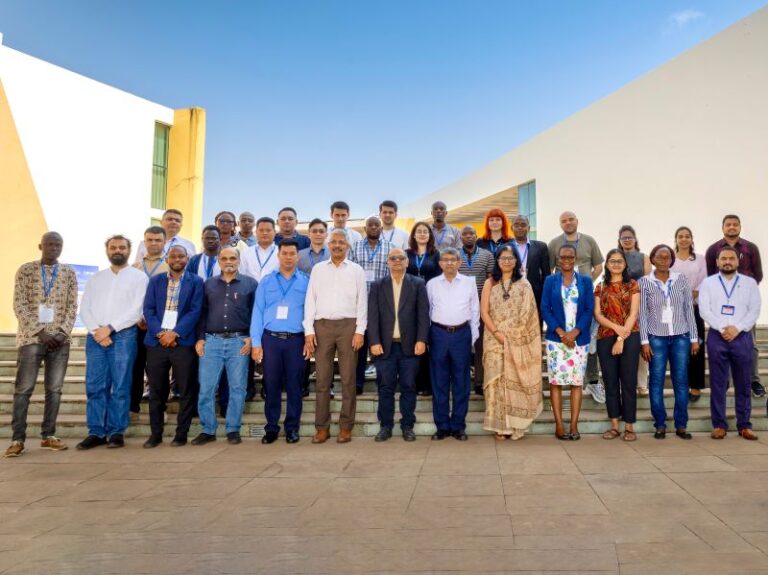
The programme brought together an international delegation, reflecting the ITEC mission of fostering mutual learning and institutional cooperation among developing nations. A group of 27 participants travelled to Goa from 12 different countries, including Belarus, Bhutan, Cambodia, Chad, Indonesia, Malawi, Malaysia, South Sudan, Tajikistan, Tanzania, Tunisia, and Vietnam. The attendees included mid to senior-level officials representing tourism ministries, government departments, and allied organizations within their respective home countries, tour operators, and academics.
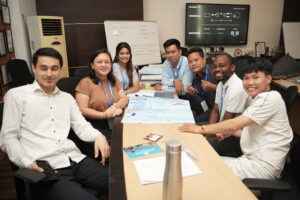
The programme was designed based on the understanding that tourism is a major economic driver with complex demands that require sophisticated management. Over the two-week duration, over 27 intensive sessions and visits, the programme dwelt on the management, design, and organization of the tourism sector.
The academic journey began with foundational concepts, the segments in the business and the information revolution in hospitality. As the programme progressed, participants delved into deeper policy and governance issues. Key topics included:
-
Policy and Regulation:
Covering the role of the state in managing natural and cultural resources, public amenities, and access design. -
Economic Dimensions:
Analyzing tourism as a system, its macroeconomic impact on employment and external balances, and the recent development of Public-Private Partnerships (PPPs). -
Innovation and Design:
Introducing Design Thinking as a tool for responsible tourism strategy and site development. -
Emerging Trends:
Specialized sessions on Wellness and Medical Tourism, preservation of historical sites, and the development of luxury and heritage properties.
Covering the role of the state in managing natural and cultural resources, public amenities, and access design.
Analyzing tourism as a system, its macroeconomic impact on employment and external balances, and the recent development of Public-Private Partnerships (PPPs).
Introducing Design Thinking as a tool for responsible tourism strategy and site development.
Specialized sessions on Wellness and Medical Tourism, preservation of historical sites, and the development of luxury and heritage properties.
Addressing Modern Challenges
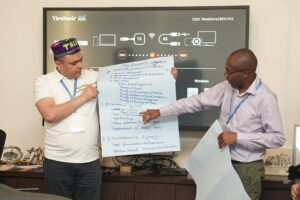
Sustainability was a recurring theme throughout the programme. In an era where "overtourism" can conflict with local communities, faculty members led discussions on regulating these tensions and balancing biodiversity protection with economic growth. Participants studied the "TTAG Story" and the case for Hinterland Tourism in Goa, providing a real-world example of how to diversify tourism resources beyond traditional coastal attractions. Ethical issues and managing crowds at religious or festival sites were also addressed to ensure the need for their careful consideration.
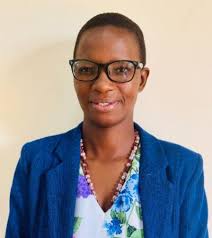
“Thank you for the wonderful lessons drawn from these two weeks. Thanks for the superb coordination, hospitality and humanity shown onto us. As we resume our duties in Malawi, we will apply the lessons learnt here for the betterment of our tourism industry.”
Dr. Cecilia Ngwira
Malawi
Experiential Learning in the "Living Classroom"
While the classroom sessions provided the theoretical framework, Goa’s unique landscape served as a living laboratory for the participants. The programme was designed to be highly experiential, featuring two curated study tours. The first tour took participants through the historic streets of Panjim and Fontainhas, offering a firsthand look at the use of heritage assets in urban tourism.
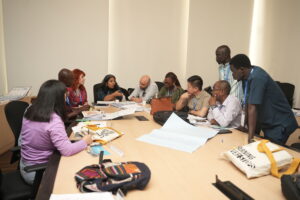
The second study tour, led by Ms. Puja Mitra of Terra Conscious, focused on conservation and community-engaged tourism.
Expert Faculty and Resource Persons
The sessions were designed by Prof. Sebastian Morris (Chair, CPPG), supported by Prof. Kingshuk Sarkar (Member, CPPG), and conducted by a distinguished team including Prof. Ajit Parulekar (Director, GIM), Prof. Divya Singhal (Chair, CSSA), Prof. Rathish Bhatt (Chair, Strategy & Consulting), Prof. Kheya Furtadao (Chair, CHSDM), Prof. Shantanu Prasad (Chair, Marketing), Prof. Swarna Parameswaran, Prof. Anshul Aggarwal, and Prof. Pranusha Kulkarni. External perspectives were provided by Mr. Jack Ajit Sukhija and Mr. Aakash Madgavkar of the Travel and Tourism Association of Goa (TTAG), and Mr. Ranjit Phillipose, Senior Vice President Operations Goa at The Indian Hotels Company Limited (IHCL), ensuring that the academic discourse remained grounded in industry reality.
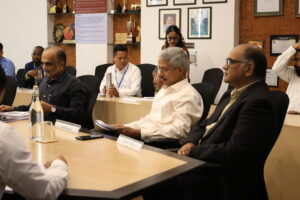
The programme successfully encouraged a cross-country dialogue, enabling participants to reflect on global best practices and consider how these strategies might be applied within their own national contexts. The Centre remains committed to its mission of generating intellectual capital to inform public policy in emerging economies. Building on the success of this inaugural ITEC session, CPPG plans to conduct further programmes under this framework throughout the year, continuing to position GIM as a leader in global executive education and responsible leadership.

“I truly feel that I have gained a new family here, where we exchanged stories and experiences. My deepest gratitude for giving our country such a wonderful opportunity to be part of this extraordinary experience.”
Mr. Reza Aulia
Republic of Indonesia